A quantum-cloud pilot needs an operating plan, not just an algorithm
Access, data handling, spend limits, and a credible classical comparison belong in the experiment brief from the start.
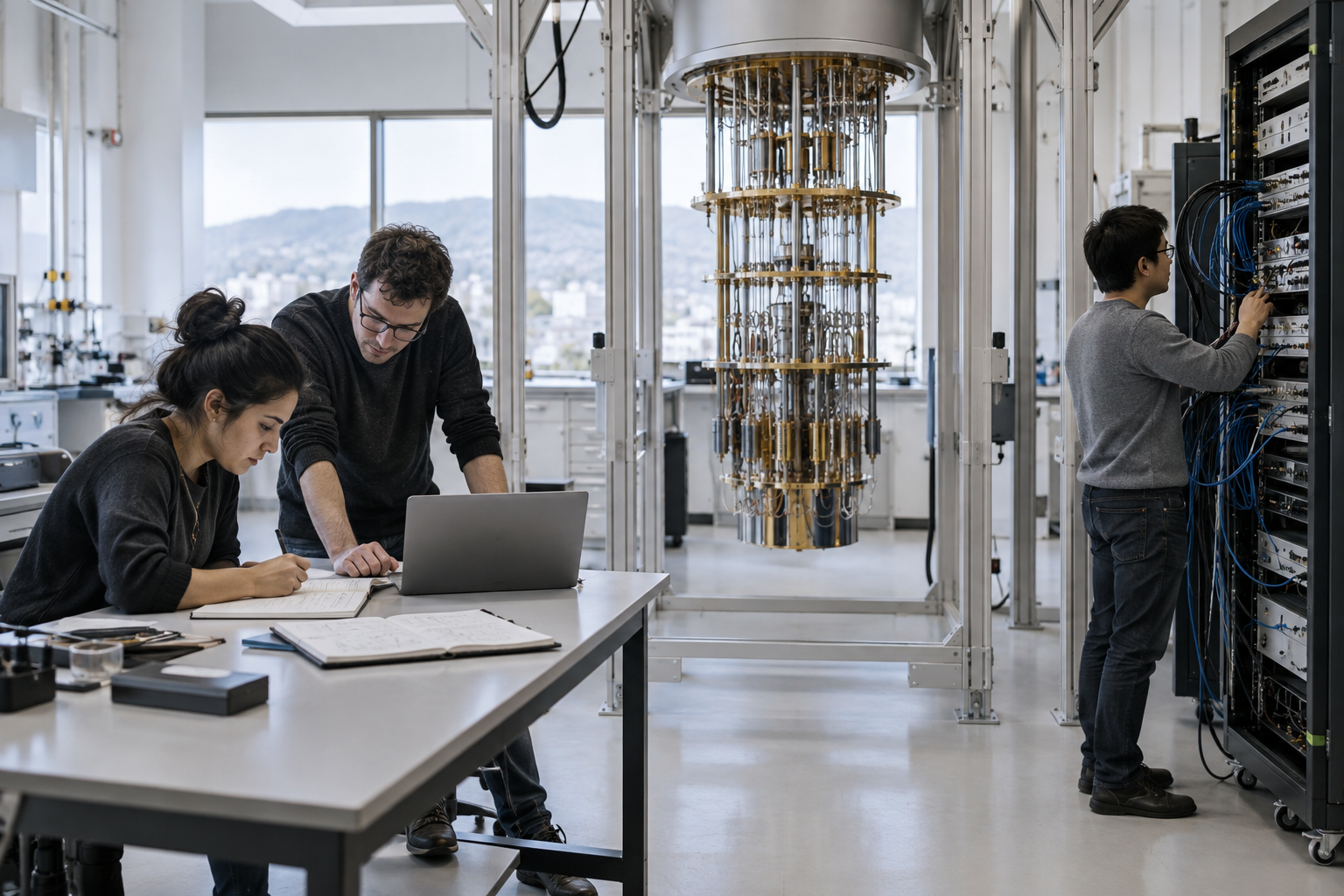
The practical unit of a quantum experiment is a workflow with an owner, a budget, and a decision at the end. An algorithm alone does not define those things.
Amazon Braket's documentation illustrates why. It describes tasks running on quantum processing units (QPUs) or simulators, with results returned to Amazon S3. It also notes that QPU tasks are processed at third-party providers' facilities.
Four readiness questions
Who owns the decision? Name the person who will extend, change, or stop the trial. A demonstration without a decision rule may remain commercially inconclusive.
What information may enter the workflow? Classify the proposed inputs and obtain the organization's appropriate review. A familiar cloud account does not automatically resolve downstream processing questions.
What is the comparison? Define the classical method, quality requirement, and time boundary before the experiment. Omitting preparation can change the meaning of a result.
What limits the experiment? Set a spend ceiling, allowed devices, repeated-run budget, and treatment of incomplete work.
These are our proposed operating controls, not an assurance that any provider satisfies a specific organization's requirements.
Retain useful evidence
Keep the workload definition, environment identifiers, result-quality measures, and cost record. Label simulated results separately from hardware results.
Check current device availability and region-specific terms for the actual service. The documentation cited here is not a compliance determination.
A successful pilot may conclude that the classical approach remains a better fit. That is useful evidence when the experiment was designed to answer an honest question.
Sources & evidence
Source material checked Sep 10, 2026. Reporting and analysis distinguish documented facts from company claims.
AI-assisted research and drafting. Approved for publication by Mira Keene on Sep 10, 2026.
Continue reading

AWS and JPMorganChase put hybrid workflows at the center of quantum research
An August research update describes quantum devices as co-processors. Evaluating the whole workflow remains the key question.